
The remote region of the village and the arid soil have saved this specific web page mostly undiscovered using the outside world. However, in 2005, the secretary of the newly created Beigou people’s committee took over the workplace and noticed splendid potential. He witnessed the melancholy and sterility of the people of Beigou and decided to direct the locals to build the village of Beigou directly in a new, grass-like geographical region. Immediately in 2007 and 2015, “Environmental Revolutions” were published with the intention of realizing the dream of the geographical region of the lawn.
The first stage of this variation changed to alternate the way the locals felt more or less the village of Beigou. That is, to create a localization experience within the thoughts of the network. For many, the metropolis and the people represented very exclusive and opposing conditions. The metropolis implied development and destiny while the town became a vestige of a rural past. It has become essential to alternate this concept with the application of a completely new notion of the village rooted in cultural existence and its specific experience of location. A new attitude of the people, in which the mental inequalities between the metropolis and the geographical region are eliminated. By contrast, an entirely new, mutual, and respectful relationship requires energy boom and integration.
In 2007, when primary environmental interventions began, citizens began to experience the unique experience of their people. The impact changed and ceased to be immediate, but it was transformed into the starting of a change of concept. The realization of these preliminary stages began to attract the external gaze, starting with the revitalization perceived as rural, these small modifications had been the starting of many things to come.
Increasingly, in 2008, the deserted glazed tile manufacturing unit was transformed into a motel with the help of an American couple. The new motel and its owners had an imaginative and prescriptive spirit of network improvement and coprocess. His mood, imagination, and clairvoyance began to unfold and grow, developing his personal form of cultural revolution.
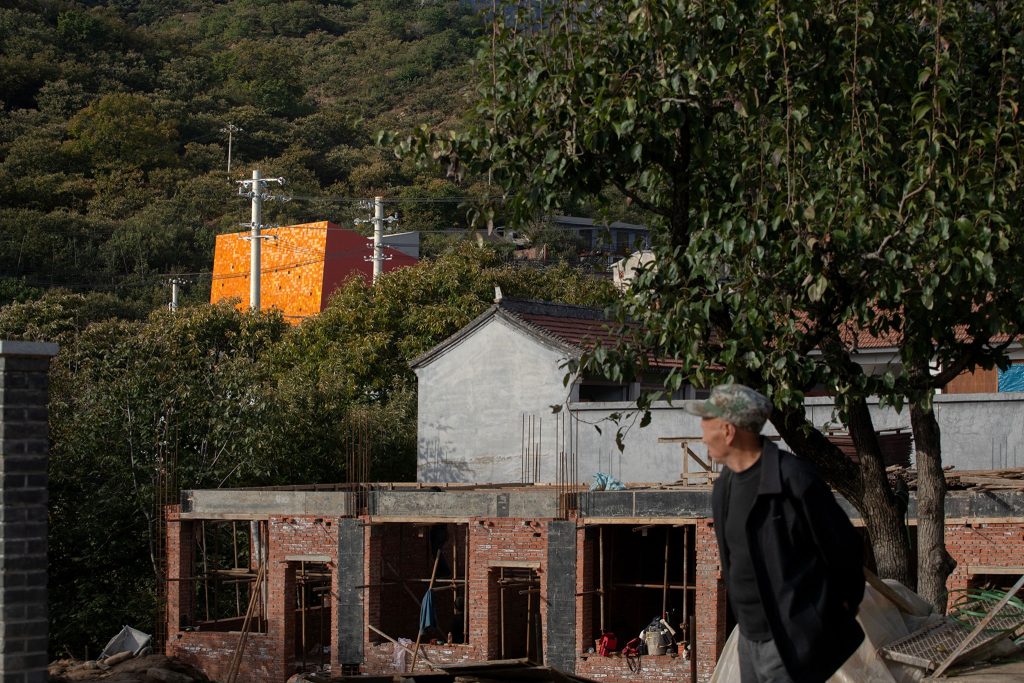
In 2009, the 2049 Group arrived in the village of Beigou and began to help and rework the village part with the help of chunks. The 2049 Group, working carefully with the network, has begun to combine villagers’ houses, customs and conventional trades in its improvement initiatives.
The second round of environmental interventions has now been launched, which has been fortunate to be part of this initiative through the use of collaboration and has initiated a whole new set of comprehensive design interventions.
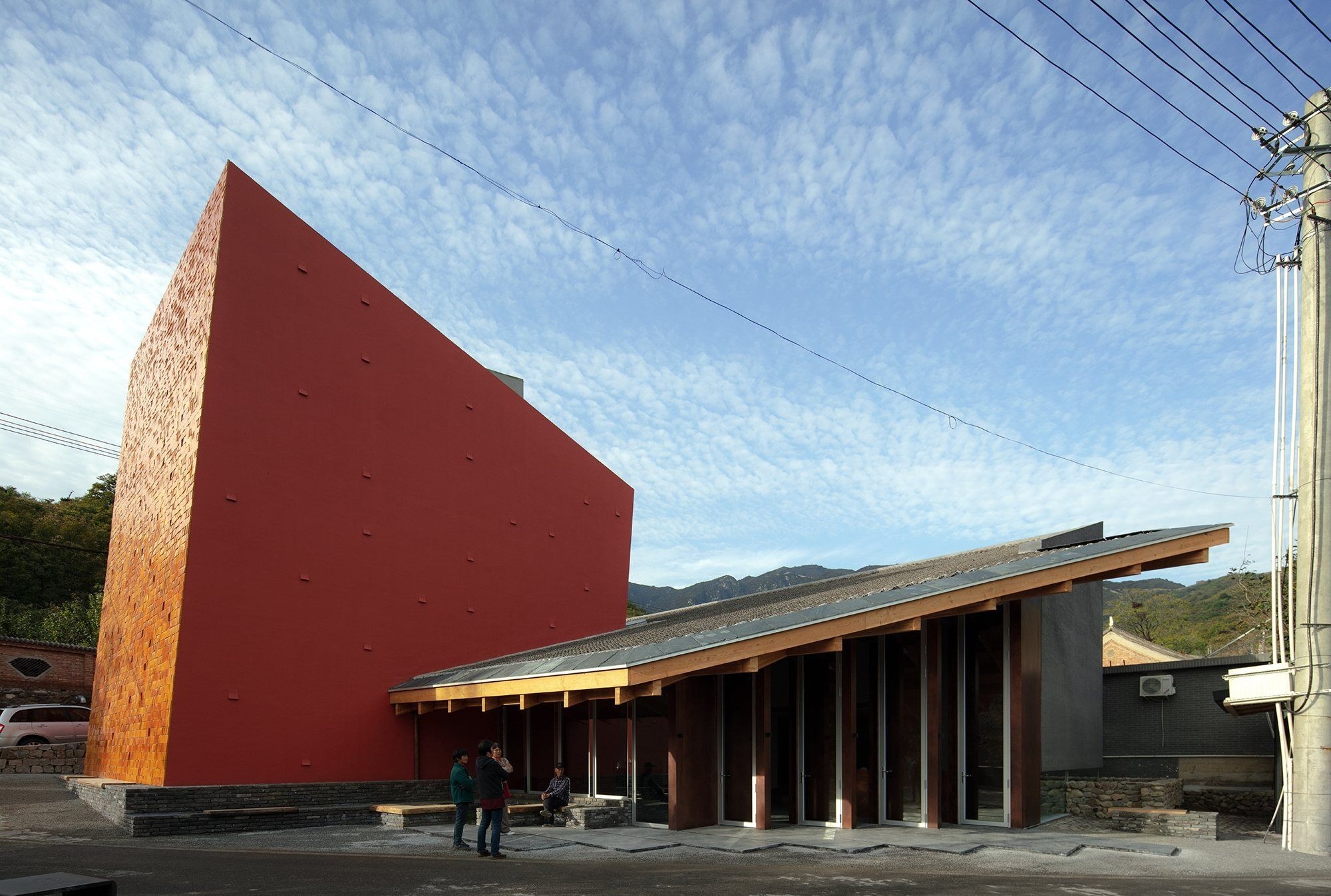
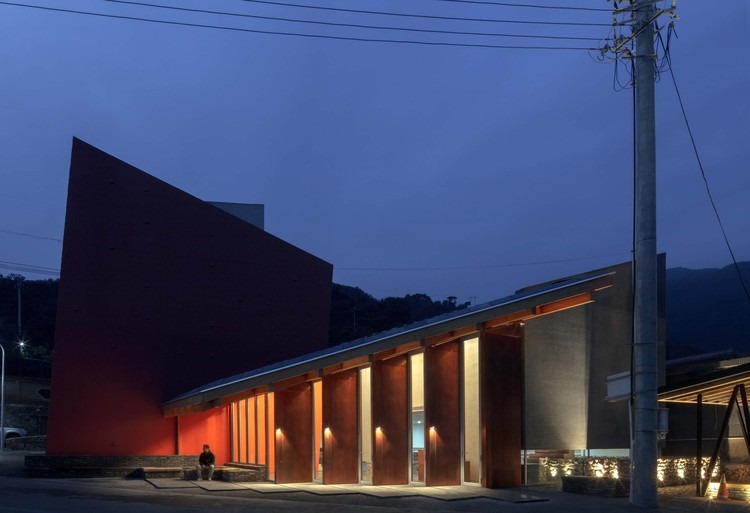
First, the nostalgic Beigala Station was transformed into an old farm residence kitchen into a vintage Beijing shabu-shabu, also known as a country room. At the same time, the gas station’s previous website was redesigned to become a village-to-village network. Both initiatives have incorporated conventional typologies, substances and production techniques in a respectfully contemporary architectural language. after, the authentic motel was renovated. This mission has become a particularly important task, as it has become a key issue in the traditions and way of life of the village of Beigou and a crucial player in the technique of rural improvement and reform. The mission celebrates the way of life of glass tile production as a cultural challenge for the village at the foot of the Great Wall.
The shift from aberration to cultural milieu no longer had an impact on Beigou, but an entirely new revolution began within the neighboring villages in the interior of the north. Over the past 10 years, each village has gradually started to implement projects that celebrate its specific cultural identity and social character.
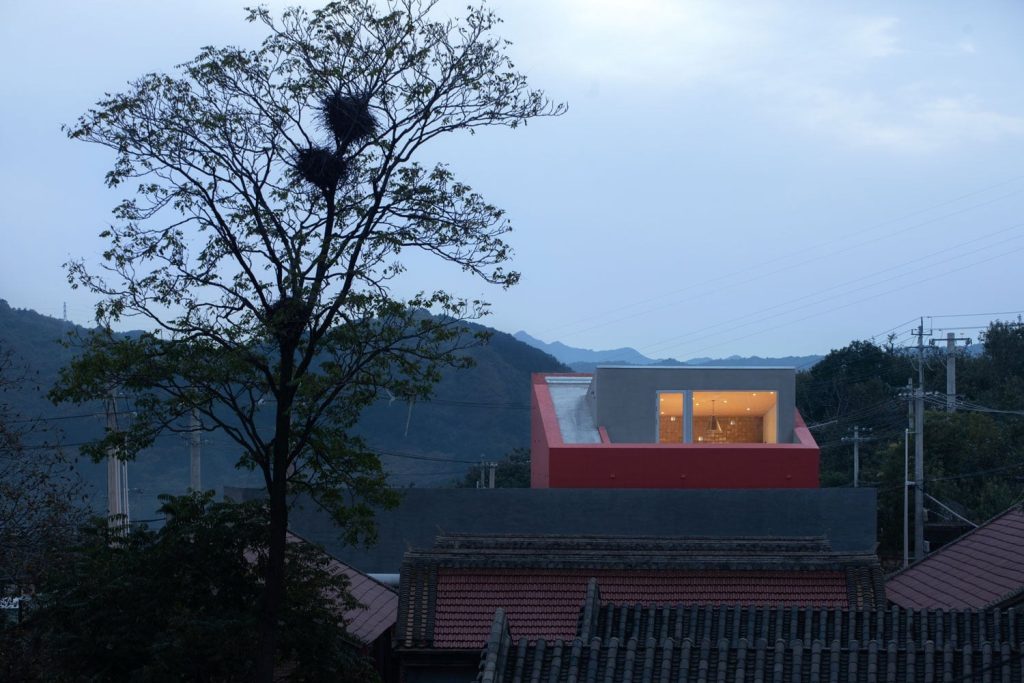
The current maximum allocation to Beigou, WAAAM (originally called the Museum of Art.Glazed Tile Architecture), is a testament to the considerable and significant effect that rural revitalization has introduced to the network.
The museum is designed to commemorate the pioneering mood of Beigou, a bold network that has launched itself into the challenge of reinventing the idea of the farming village through the improvement of the environment, artistic installations and architectural interventions.